The first emperor and his tomb
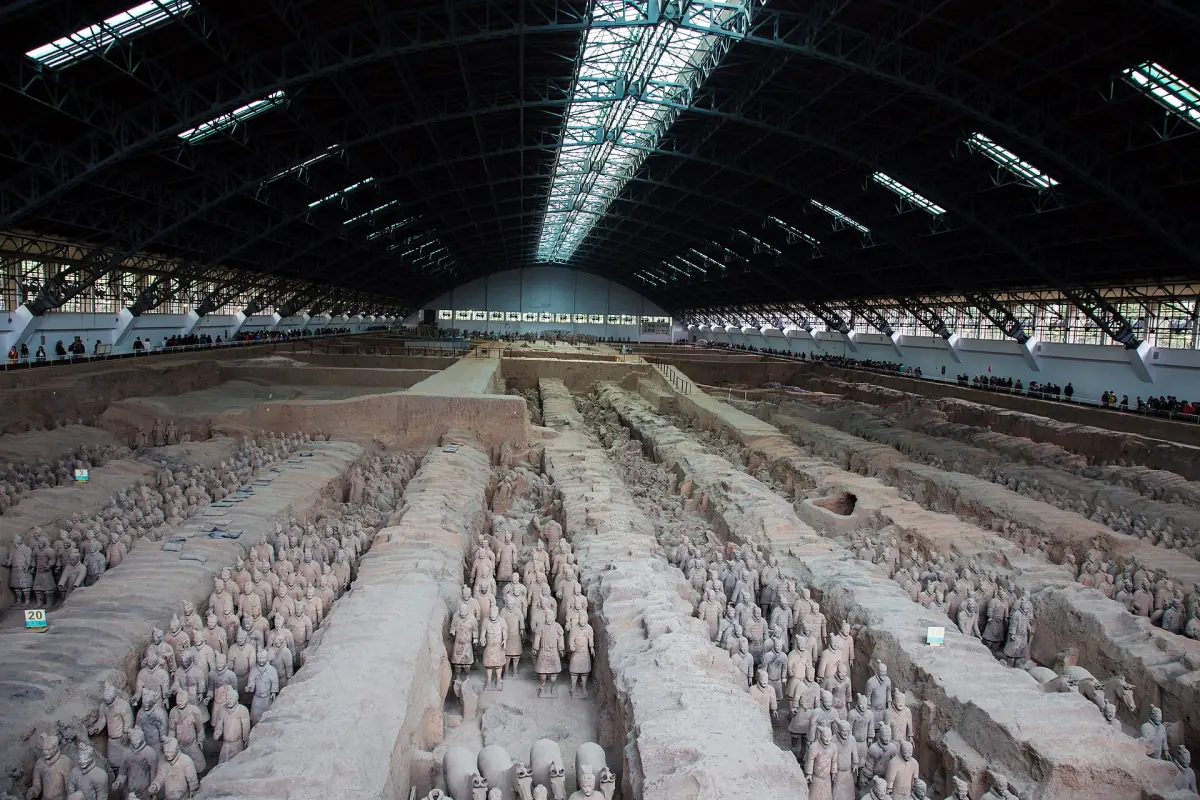
Qin Shi Huang, born Ying Zheng, lived from 259 to 210 BC. He began as ruler of the state of Qin and became the first emperor of a united empire. The unification dates to 221 BC, and UNESCO ties the mausoleum to that first centralised empire.
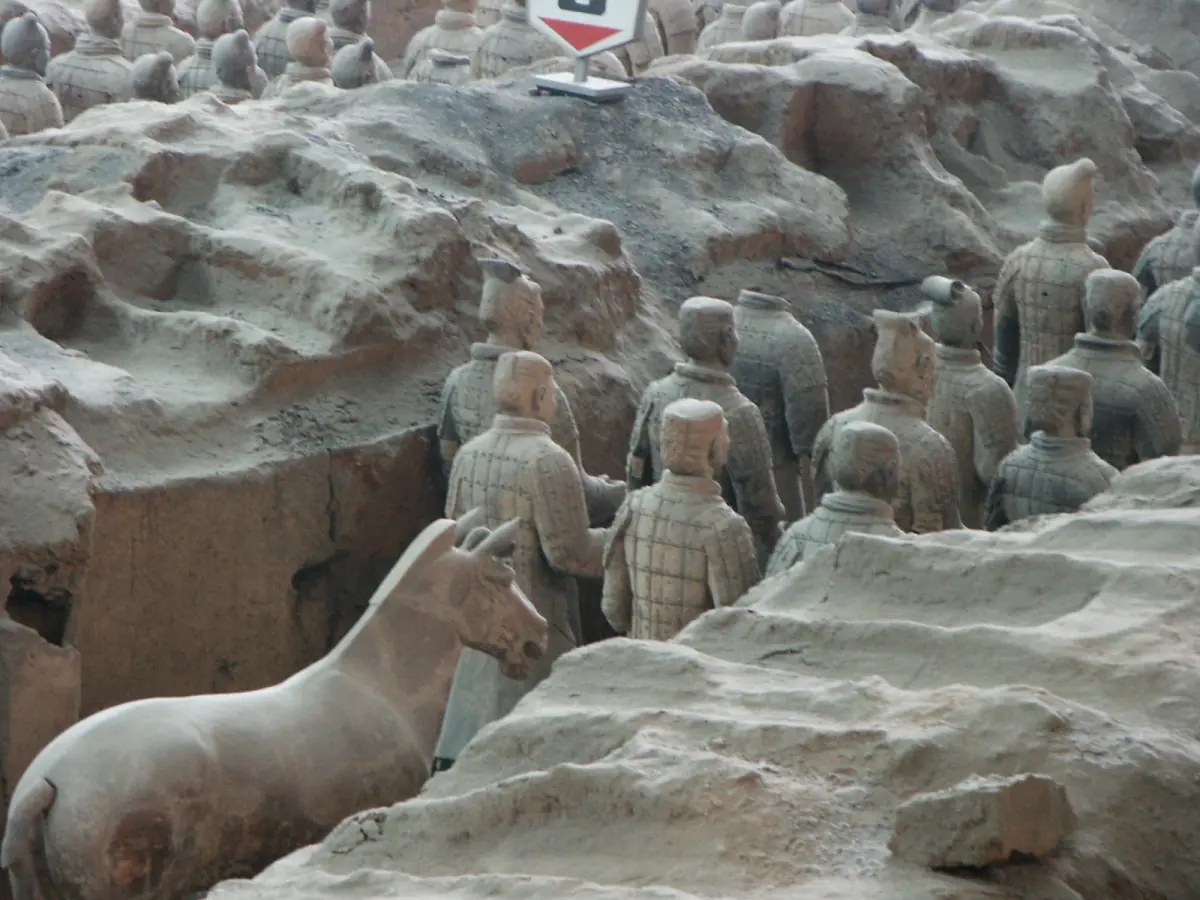
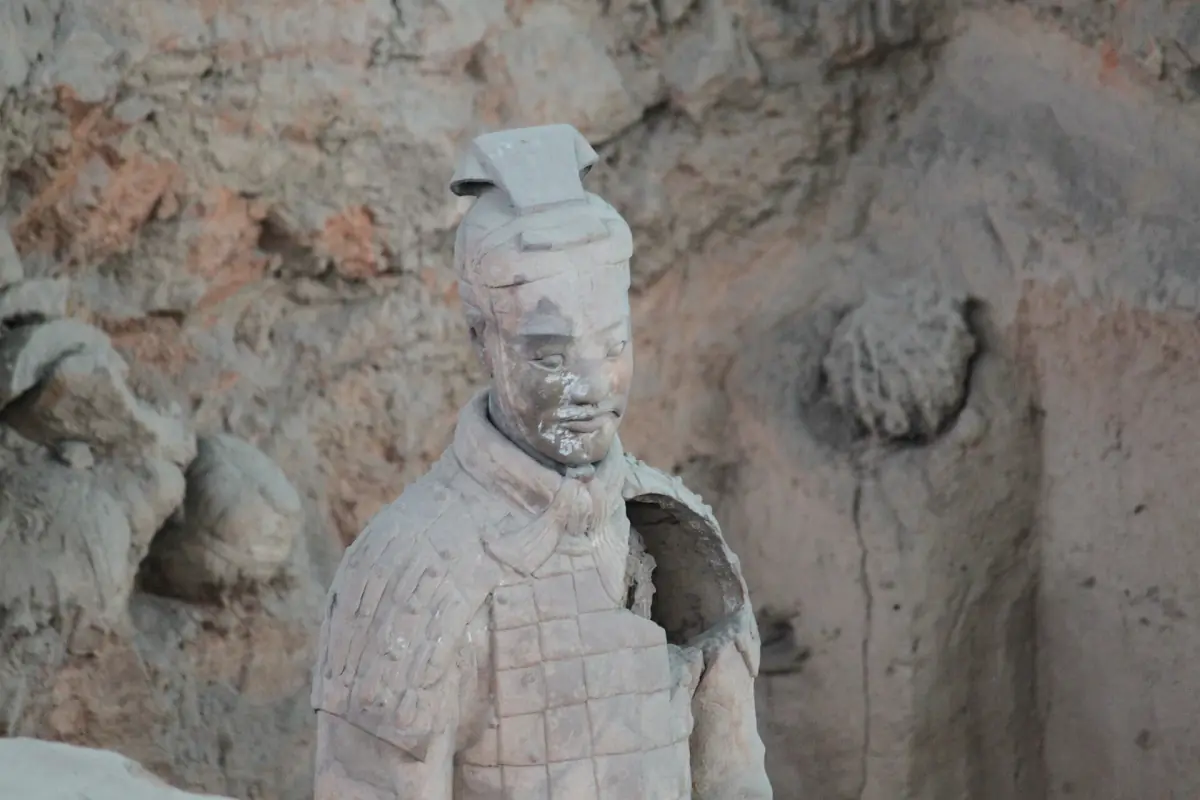
The tomb complex was begun in 246 BC. The warriors are burial figures placed in pits around the burial mound, not the tomb itself. To see them on the ground, start with Terracotta Army tours from Xi'an, or read about the halls on the pits page.
Timeline of the Terracotta Army
From the first emperor to the museum you visit today.
| Date | What happened |
|---|---|
| 259 BC | Birth of Ying Zheng, later Qin Shi Huang |
| 246 BC | Start of construction of the tomb complex |
| 221 BC | Unification of the empire and the start of his reign as first emperor |
| 210 BC | Death of Qin Shi Huang |
| March 1974 | Farmers from Xiyang find terracotta fragments while digging a well; Pit 1 is uncovered |
| April 1976 | Pit 2 is found |
| May 1976 | Pit 3 is found |
| 1 October 1979 | The museum opens |
| 1987 | UNESCO inscribes the mausoleum on the World Heritage List |
| 2025 | New finds in Pit 2: 2 chariots, 15 fittings and 9 weapons |
For most readers the key date is March 1974. Everything before it is the emperor's story, and everything after it is the story of excavation.
Our pick: an archaeology tour
This tour focuses on the excavation and restoration behind the story on this page.
Hand-picked tours, booked through GetYourGuide. Prices are indicative starting prices in US dollars (as of October 2026). Tap a tour for live availability and the current price in your currency.
Terracotta Army tours and day trips
Guided visits with transfers from Xi'an, small-group and private options, with live prices and availability.
The discovery in 1974
In March 1974, farmers from Xiyang found fragments of terracotta while digging a well. Many accounts name Yang Zhifa and the date 29 March 1974. What is certain is the month, the farmers and the well. The museum's description of the find does not name a single discoverer.
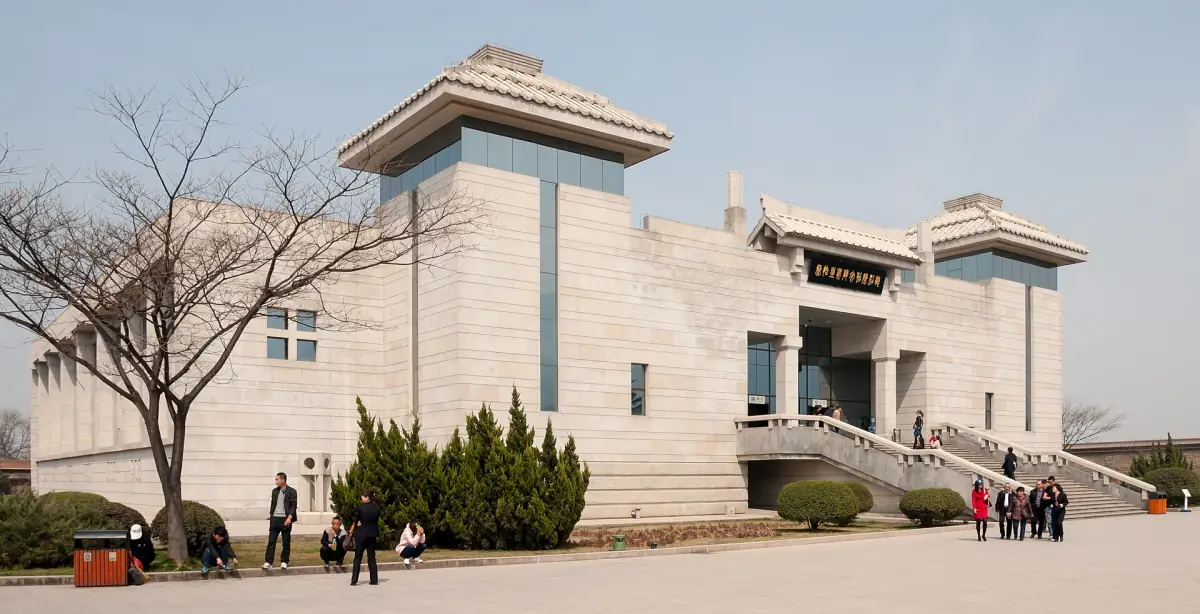
Excavation of Pit 1 followed, and two more pits were found in 1976. Pit 2 came in April and Pit 3 in May. The museum opened on 1 October 1979. In 1987 UNESCO listed the wider mausoleum, which is larger than the halls you walk through.
What is known and what is tradition
Some popular claims are not settled.
Portraits of real soldiers
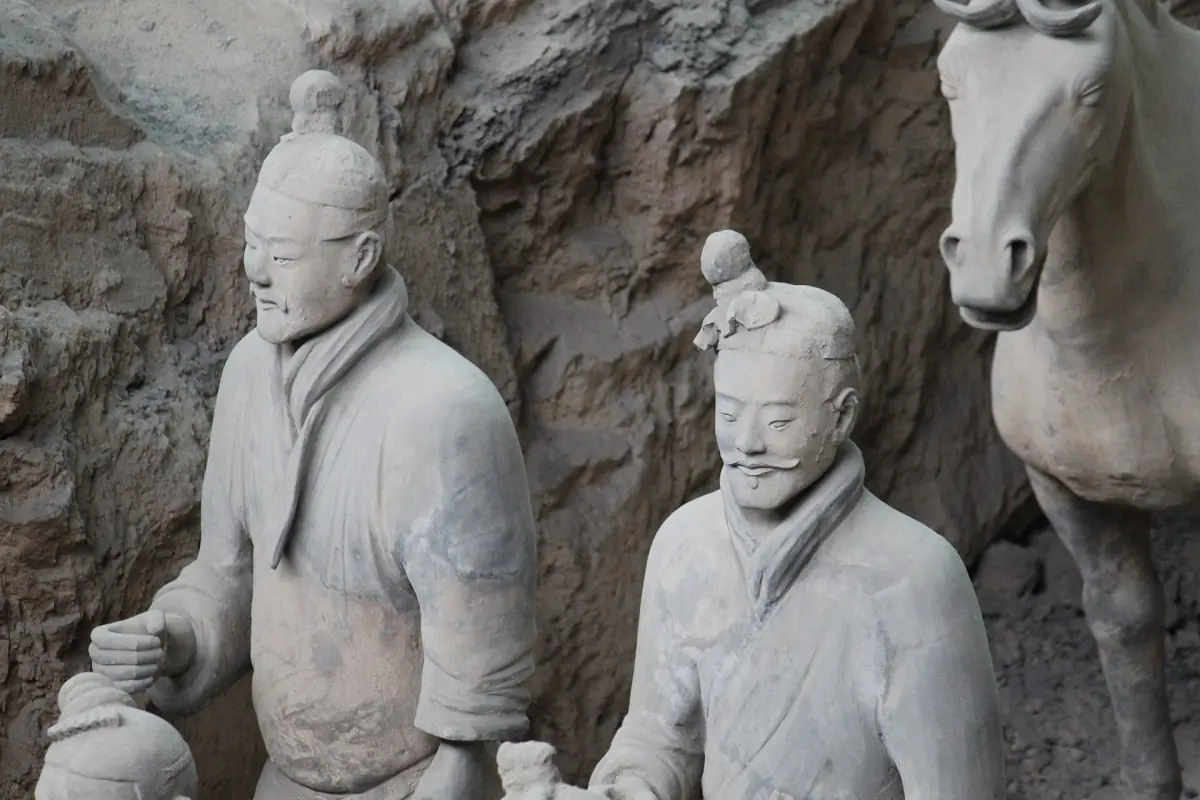
The warriors differ in face, hair, clothing and posture. That variety does not prove that each figure portrays a living member of the army.
Terracotta Army facts →How the emperor died
The cause of his death is not known with certainty. Be careful with any guide who names one as fact.
Workers sealed in the tomb
Stories that workers were shut inside the tomb come from written tradition. They are not an archaeological fact.
The mercury rivers
The idea of rivers of mercury in the tomb comes from an old historical account. The chamber has not been opened. See the mausoleum page for details.
Excavation and restoration still go on
Digging did not stop in 1976. In 2025 archaeologists documented 2 chariots, 15 chariot and horse fittings and 9 weapons in the east part of corridor 9 of Pit 2, on about 30 m². The chariots described had no wheels, so this was not a find of complete wooden carts.
The museum also runs research on lacquer, pigments, humidity, non-destructive testing and the glue joints of restored figures. In autumn 2026 the Pit 2 exhibition was renewed with research content, multimedia and a revised visitor route. That is a new presentation, not a new pit.
Using the history on your visit
Three points that help in the halls.
Follow the order of discovery
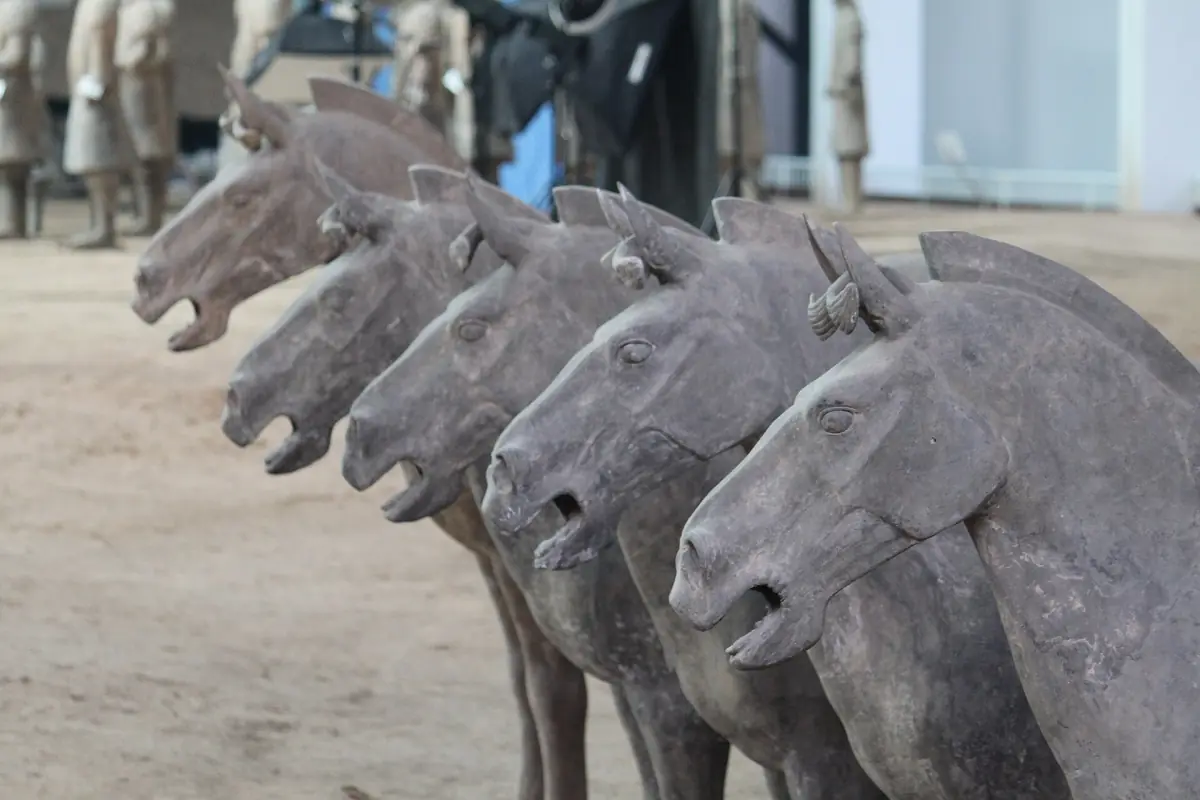
Pit 1 was found in 1974, and Pits 2 and 3 followed in 1976. Seeing the halls in that order, Pit 1 first, matches the story and the way the site grew.
Know the name of the wider site
The World Heritage entry is called the Mausoleum of the First Qin Emperor. It covers more than the pits you walk through, including the burial mound and many other burial pits.
Treat dates with care
March 1974 is the safe date for the find, and 29 March 1974 is the one most often given. Plan about 1.5 hours for each of the two museum areas.
Plan the rest of your trip
Where to go next.
Terracotta Army history: frequently asked questions
When was the Terracotta Army discovered?
In March 1974, when farmers from Xiyang found fragments while digging a well. Many accounts give 29 March 1974 and name Yang Zhifa.
Who was Qin Shi Huang?
He lived from 259 to 210 BC, ruled the state of Qin and became the first emperor of a united empire in 221 BC. The Terracotta Army is part of his tomb complex.
When were the other pits found?
Pit 2 was found in April 1976 and Pit 3 in May 1976.
When did the museum open?
On 1 October 1979. UNESCO added the wider mausoleum to the World Heritage List in 1987.
Is it true that workers were sealed in the tomb?
That is a story from written tradition, not an archaeological fact. Treat it as legend.
Is this the official website of the museum?
No. This is an independent travel guide and not the website of the museum or of any authority.