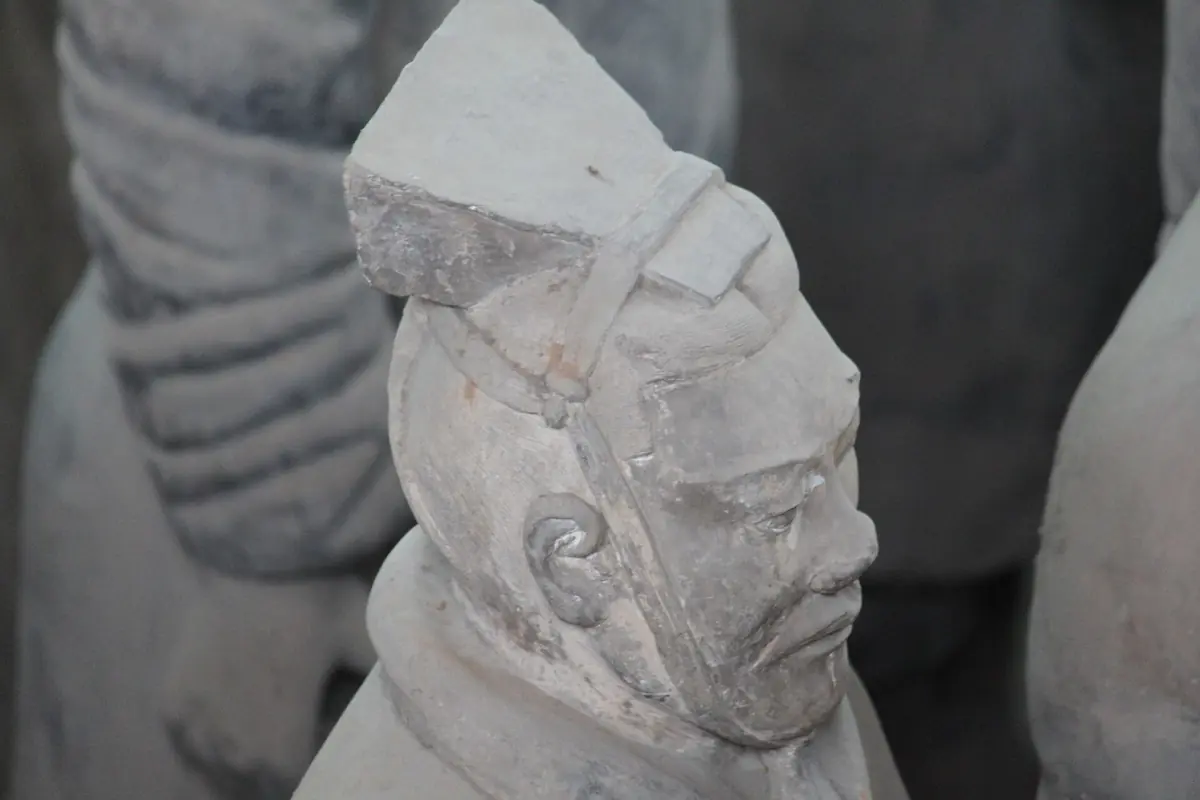
Terracotta Army facts at a glance
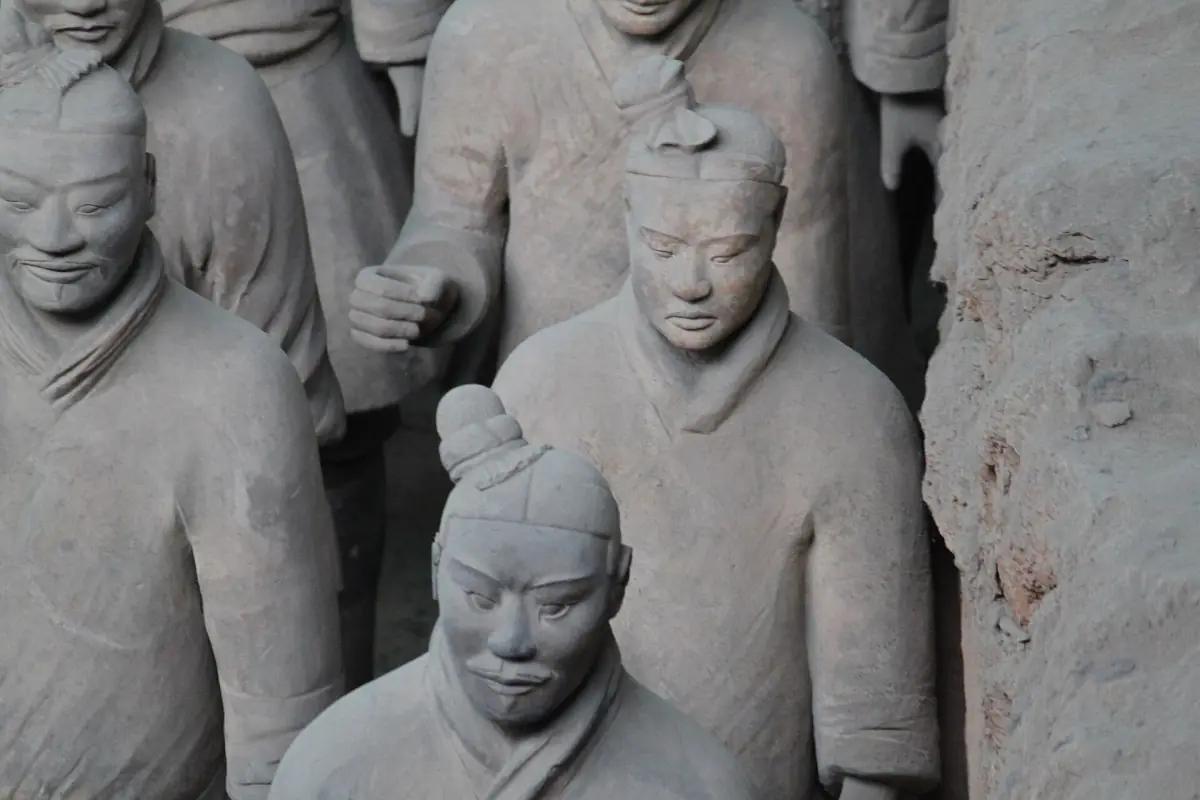
The army is estimated at about 8,000 warriors. That is an estimate for the whole burial complex, not the number you can see in the halls. The figures are life-size, which is why they impress up close. To stand among them, look at Terracotta Army tours from Xi'an.
No two numbers on this page mean the same thing. Some count warriors only, some count warriors and horses together, and some are estimates from test digs. The table separates them.
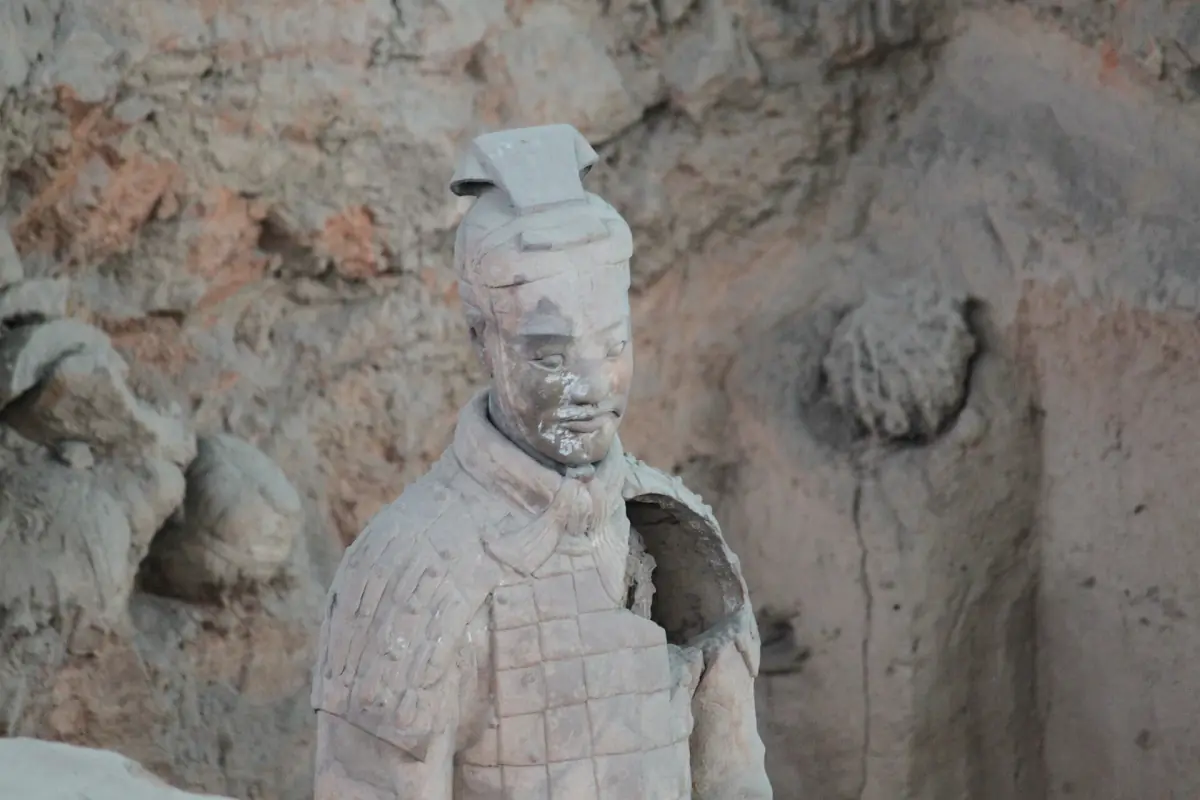
Key numbers and what they count
Estimates are marked as estimates.
| Item | Figure | What it means |
|---|---|---|
| Warriors in total | About 8,000 | Estimate, not the number visible today |
| Pit 1 | About 6,000 | Warriors and horses together, estimated from test digs |
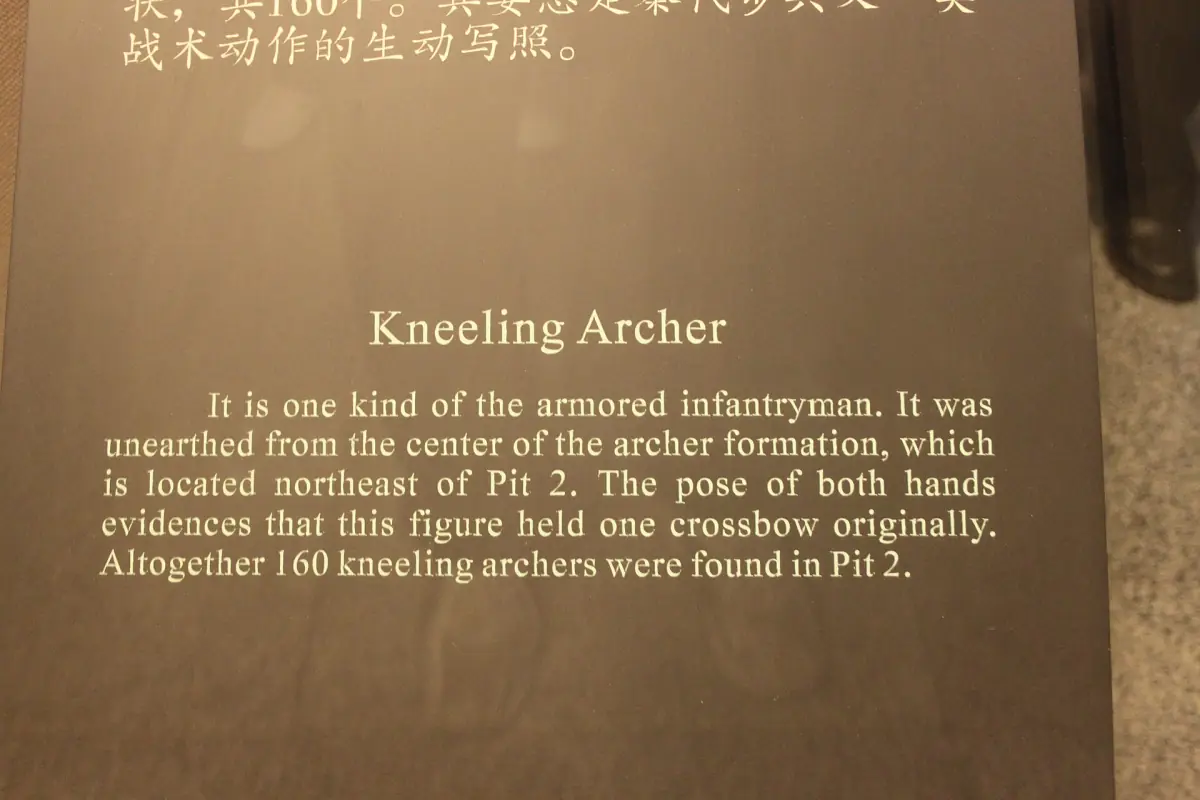
| Pit 2 | More than 1,300 | Figures and horses together, estimated |
| Pit 3 | 72 | Clay figures and horses, counted by the museum |
| Height | 1.72 m to over 2 m | Range in Pit 1, about 1.8 m on average |
| Weight | 150–300 kg | Standing warriors only, not horses or kneeling figures |
| Front rows, Pit 1 | 3 rows of 68, 204 in all | Reconstructed layout, not a head count |
For most visitors, treat every count as an estimate and use the sizes of the pits to judge how much walking and time to plan.
Our pick: shape a warrior yourself
A clay workshop shows how the figures were built up by hand.
Hand-picked tours, booked through GetYourGuide. Prices are indicative starting prices in US dollars (as of October 2026). Tap a tour for live availability and the current price in your currency.
Terracotta Army tours and day trips
Guided visits with transfers from Xi'an, small-group and private options, with live prices and availability.
How the warriors were made
A standing warrior was assembled from separately made parts. The torso was built up in clay, while other parts were made in moulds. Standing figures weigh 150 to 300 kg, and the horses and kneeling figures are not covered by that range.
Faces, hairstyles, clothing and posture vary a lot from figure to figure. That does not prove that each face portrays a real soldier. It is reasonable to say the figures were individually finished, not that every detail is unique.
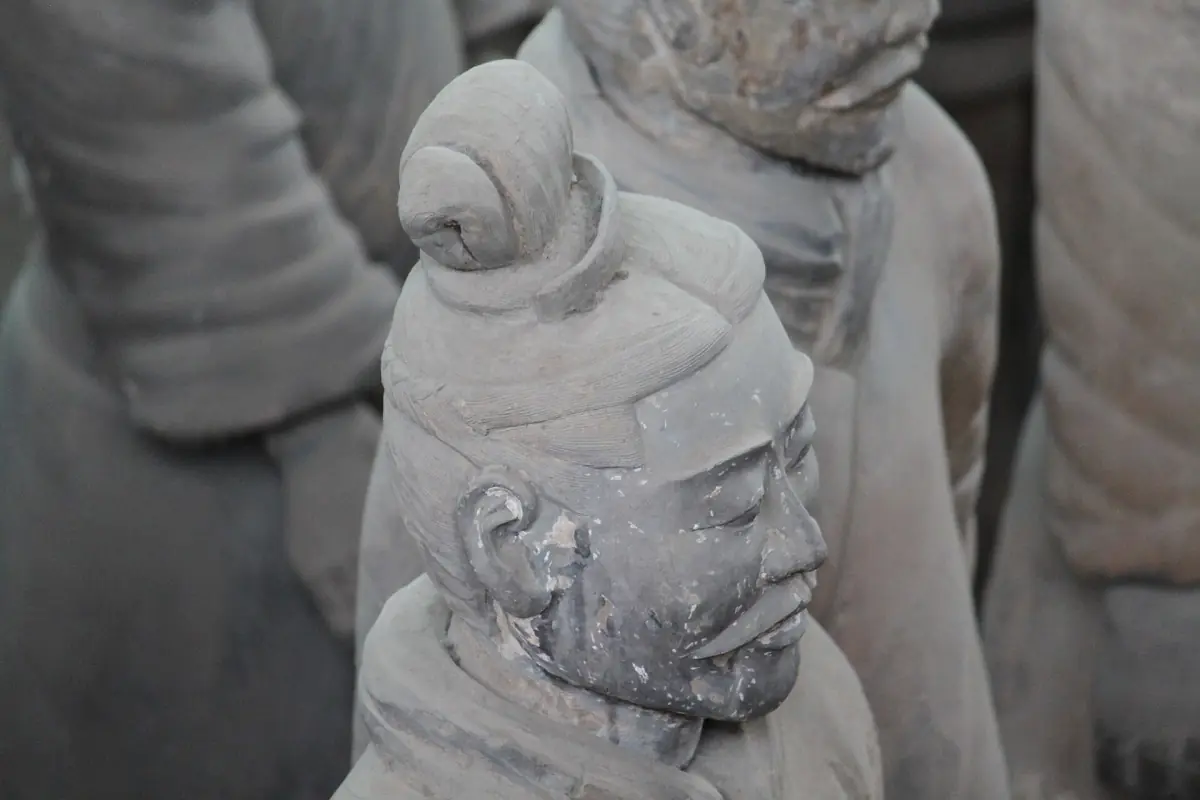
Colour, weapons and the chrome myth
The warriors were painted. Most of the colour is gone today, and the surviving traces are conserved. Do not expect a bright army: what stands in the halls is largely plain clay.
Real bronze items, such as swords and arrowheads, belong to the finds of Pit 1. A popular story says the weapons survived because of an ancient chrome coating. Research with museum specialists traced chromium on the weapons to contaminating lacquer, not to a deliberate rust-proofing method. The ground conditions are discussed as a reason for their state.
Restoration and research today
The work behind the figures.
Lacquer and pigments
The museum has completed research projects on lacquer and pigments, which help in conserving the colour that remains.
Humidity and testing
Other projects cover humidity and non-destructive testing of the figures.
Glued joints
Restored figures are put together from fragments, so the glue joints themselves are studied. How many figures are fully restored is still open.
See it for yourself
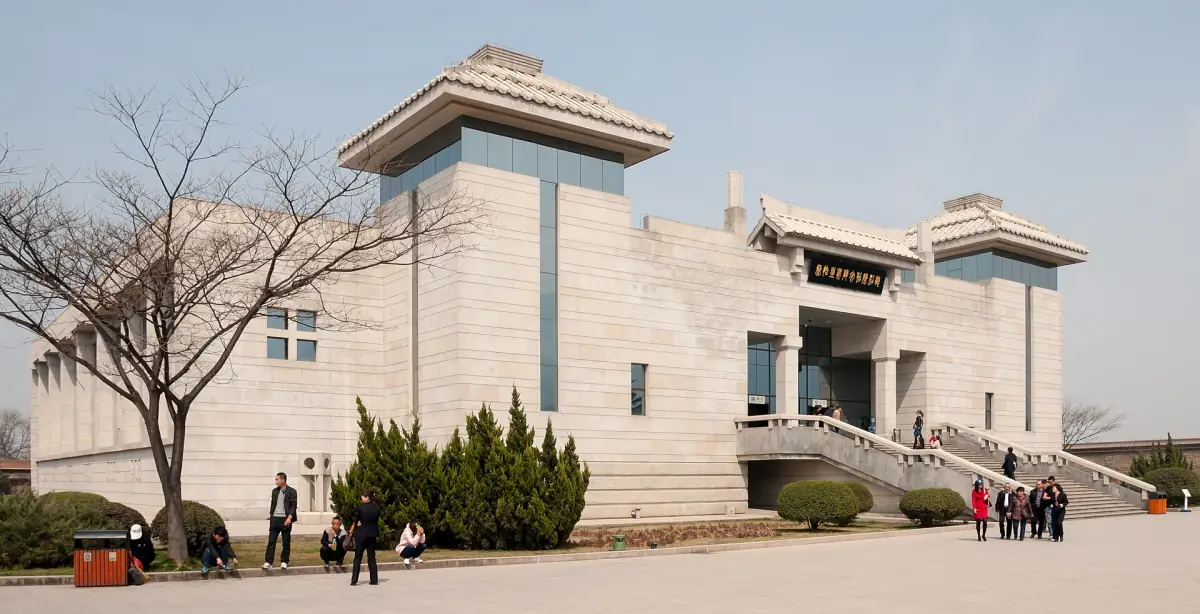
Restoration work forms part of the visit in Pit 1. The pits page shows which hall holds what.
Common mix-ups
Three numbers that get confused.
8,000 or 6,000?
About 8,000 is the estimate for the whole army. About 6,000 is the estimate for Pit 1 alone, warriors and horses together. The two numbers fit together.
Warriors or figures?
Some counts include horses, chariot soldiers and drivers. Pit 2 alone lists kneeling archers, cavalrymen, horses, chariot soldiers and drivers, so a count of figures is wider than a count of warriors.
What you will actually see
Large parts of the halls are still under excavation or restoration, so the number of figures on view is lower than any estimate. Use the estimates as scale, not as a checklist.
Plan the rest of your trip
Where to go next.
Terracotta Army facts: frequently asked questions
How many Terracotta Army warriors are there?
The usual estimate is about 8,000 warriors in total. For Pit 1 the estimate is about 6,000 warriors and horses together. How many you see depends on the hall and the state of excavation.
How tall are the warriors?
They are life-size. In Pit 1 the range is about 1.72 m to over 2 m, with an average of about 1.8 m.
How much does a warrior weigh?
Standing warriors weigh 150 to 300 kg. Do not apply that figure to the horses or to kneeling figures.
Were the warriors painted?
Yes. Most of the colour has been lost, and the remaining traces are conserved.
Are the weapons real?
Yes. Real bronze items such as swords and arrowheads are part of the finds in Pit 1. The chromium traces come from contaminating lacquer, not from an ancient coating technique.
Is this the official website of the museum?
No. This is an independent travel guide and not the website of the museum or of any authority.